Chapter One — The Beginning That Wasn’t
I’d love to say this story begins neatly at the beginning, but the beginning didn’t behave. The real beginning was long before I was officially sick—back when I was just “sick-ish.” The kind of sick where your body waves red flags and your doctor smiles politely, pats you on the metaphorical head, and blames stress or hormones or being a woman or whatever the diagnosis of the week was.
For years, I collected symptoms like Pokémon cards: exhaustion, itching, nausea, fevers, pain, blood sugar that acted like it had been mainlining Red Bull. I kept organized lists—full itemized receipts of misery—to present at appointments. Somehow, every visit ended with fewer answers and more confusion.
I convinced myself it must just be stress. First my dad had a stroke, then my mom had a massive one, and then my dad had another—because apparently strokes come in family value packs. Hurricane Ida rolled through like a pissed-off giant, destroying my parents’ home and taking big bites out of mine. Meanwhile, I was running Bayou Belle events like the apocalypse wasn’t happening in real time—big smiles, cute table setups, and gumbo while buildings crumbled and insurance adjusters played hide-and-seek.
To add a cherry atop the chaos sundae, we’d just purchased land and started building our dream home. Which, for the record, is only fun when you are not sick, broke, traumatized, or busy Googling how long sheetrock takes to mold after a Cat 4 hurricane.
By that point, it felt like every fan blade in my life had been sprayed with disaster—and then someone turned the fan on high. The hits didn’t just keep coming, they arrived stacked, gift-wrapped, and labeled: “Congratulations, you’re now functioning in crisis mode!”
Eventually, my doctor settled on diabetes. My blood sugar was “through the roof,” which was adorable considering I couldn’t eat more than three bites of anything without immediately regretting my existence. I was barely eating and still needed a 35-unit insulin shot multiple times a day. If you know diabetes, that’s absurd. If you don’t—just trust me, it’s a lot.
At one visit, the insulin pump rep blinked at my chart like it was a math problem that refused to solve itself. Astonished my doctor was telling me to use so much insulin, without any results. She couldn’t understand out how my body was swallowing whole syringes of insulin and doing absolutely nothing about it and highlighted that something wasn’t right. They asked me to start a food journal—surely, I was eating more than I thought? Because if a woman isn’t losing weight and she has high blood sugar, she must be lying, right?
And yet… I kept getting sicker.
My doctor confidently decided I was just a typical Southern fatty fibbing about food. He didn’t say it like that, of course—he used medical words—but the sentiment translated clearly. And because he said it with confidence, I believed him. Spoiler: confidence is not a credential.
Any time I wasn’t parenting or physically upright, I was asleep. Not resting—sleeping. Three-hour coma naps. Eventually my dad moved in due to his own health issues, and we unintentionally became a multigenerational survival team—him helping me, me helping him, both of us quietly trying to keep the kids from noticing. It wasn’t trauma. It was strategy.
Then came The December.
December 2022 was the month my body clocked out. Standing was optional. Eating was theoretical. I was so weak I had to crawl to the bathroom just to throw up. My doctor finally ordered an ultrasound.
And then never read it.
I called. I messaged. I refreshed the patient portal. The upload sat there like a dare. Silence. I had officially been ghosted by my own physician. Don’t worry—he makes an encore later.
January arrived hotter and meaner. That’s when I finally said: fuck this doctor.
I tried to book an appointment with an Endocrinologist at Ochsner, but he was booked out for a year. Classic American healthcare—love that for me. So, I settled on seeing his nurse practitioner.
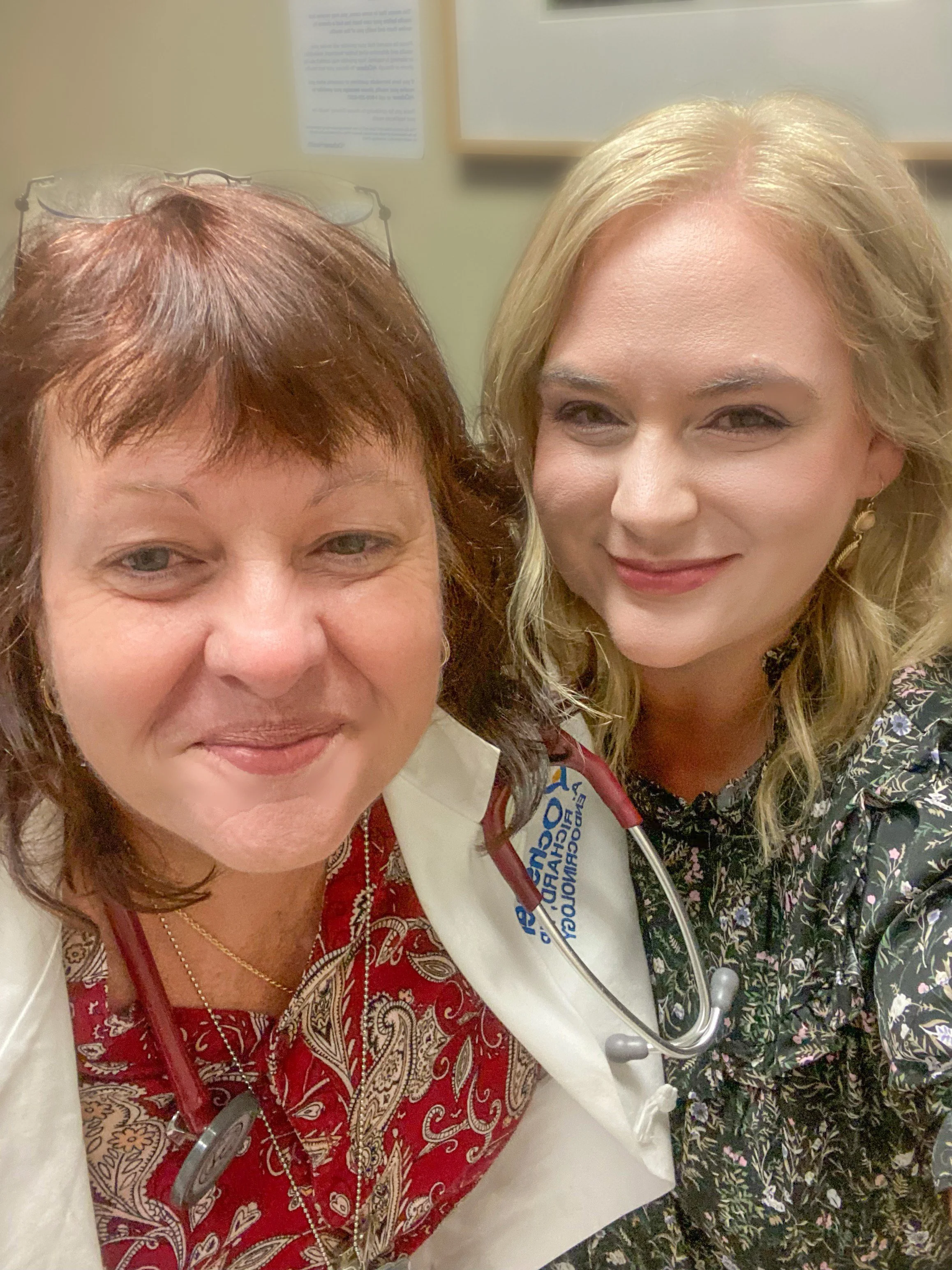
Enter Anita.
From the moment she walked in, she listened. Really listened. She read my notebooks. She studied my labs. She pulled up the scans my doctor had ignored. Then she looked at me—really looked—and said, “I’m so sorry. They failed you. Something is very wrong, and I’m going to take these notes home and talk to some doctors.”
No gaslighting. No wait-and-see. No delicate suggestion that I just try magnesium, yoga, or stop being dramatic.
One thing about Anita: she’s a firecracker. At several points she slammed her pen down, muttered “What the fuck?” and declared my doctor a “fucking idiot.” It was jarring and validating and borderline spiritual. I left that appointment dizzy with hope even with no answers yet.
But she got to work.
And I mean…
She got to work.
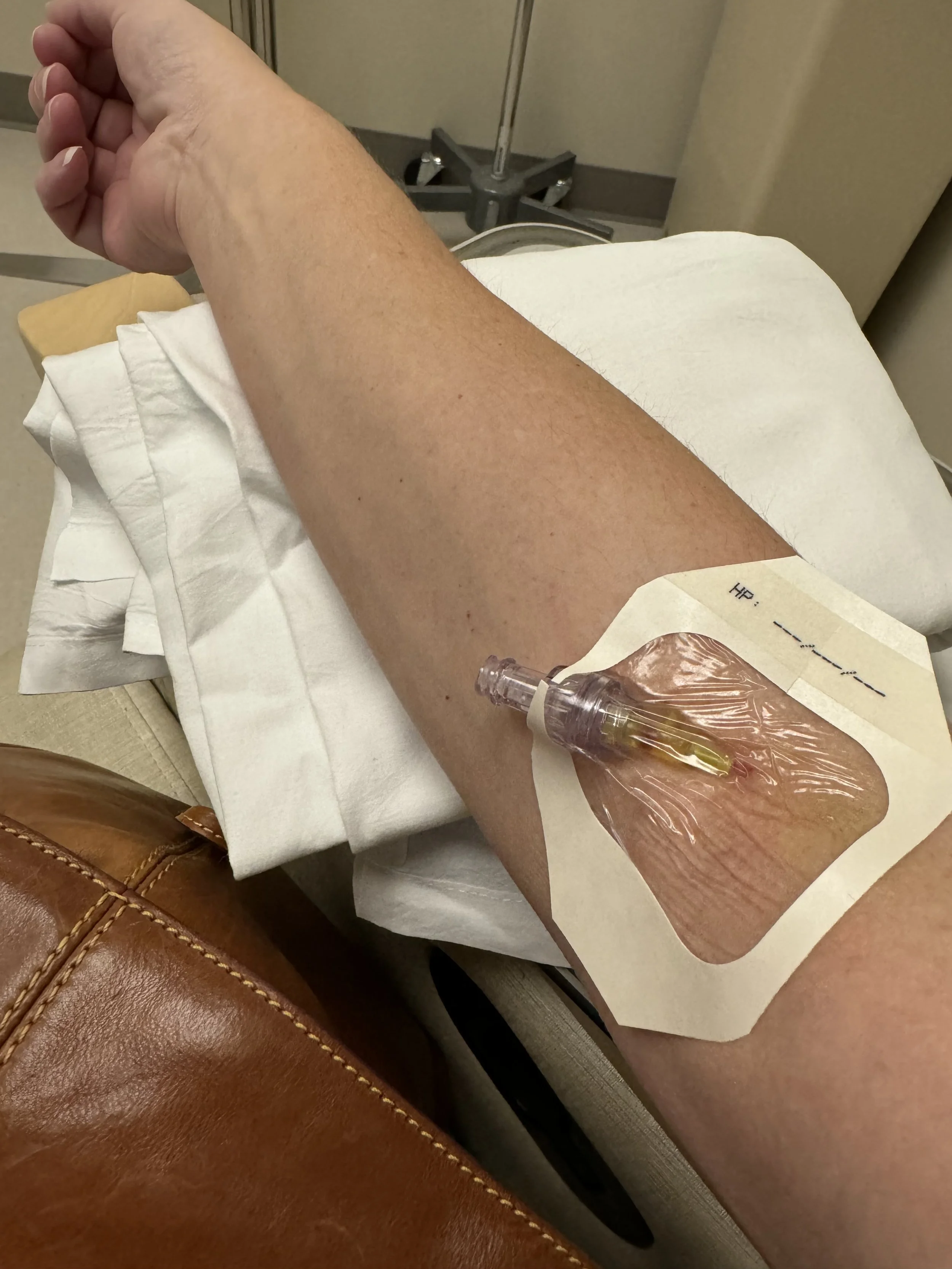
Suddenly I was booked for tests in bulk. CTs, MRIs, endoscopy, colonoscopy—if there was a scope, scan, or tube available, it had my name on it. I joked about glowing from radiation. Every lab visit felt like a blood bank robbery. Vampires would have been impressed.
Meanwhile, my skin turned yellow, my eyes turned mustard, and the itching could rival an Old Testament plague.
Then came the call after my MRI.
Doctor G told me he saw something alarming and I needed an ERCP urgently. His voice softened when he asked about my kids. He asked what my husband did for work. He asked what I did. He had the tone of a dad preparing his daughter for battle. That’s how I knew it was bad.
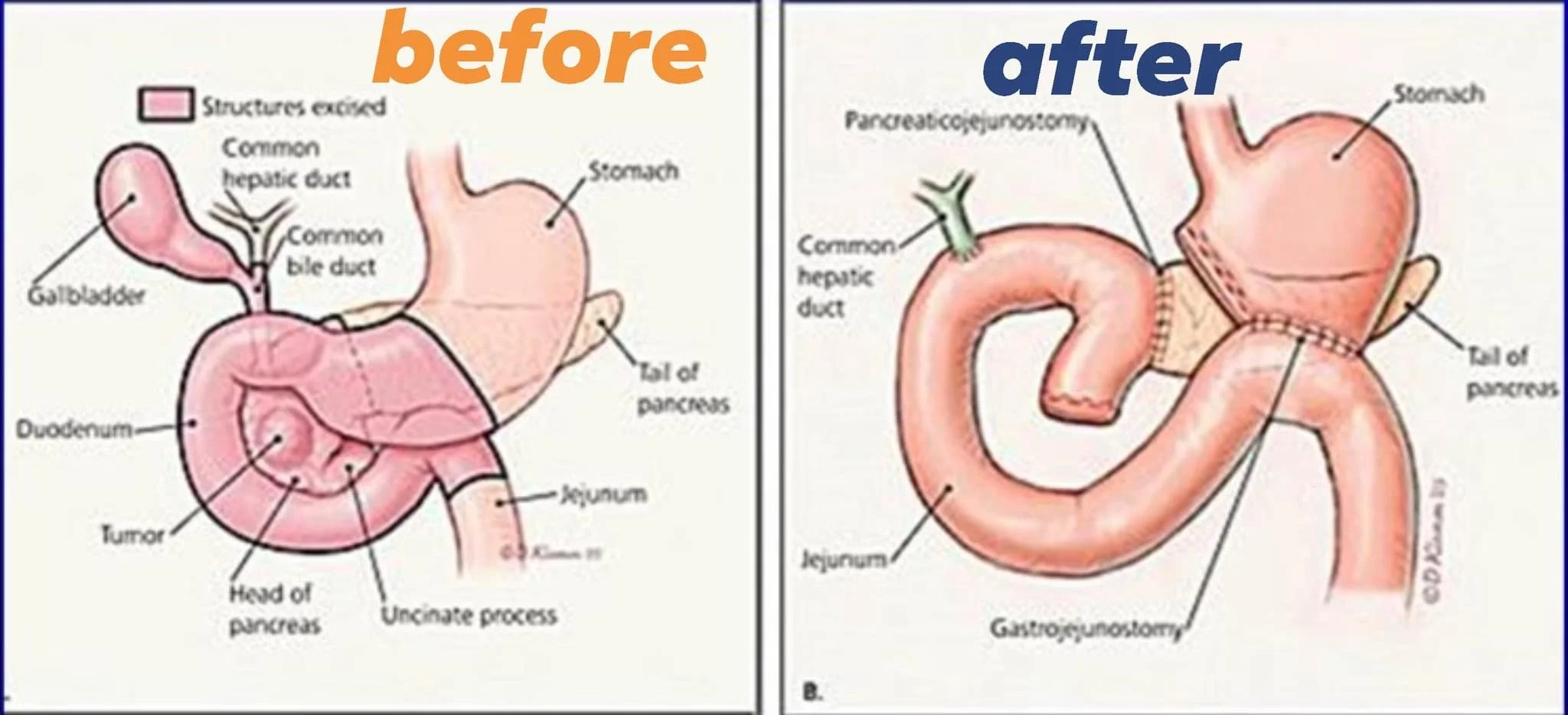
I Googled the three possibilities he mentioned. All had a survival rate under 5%—unless I qualified for a Whipple. Then the odds jumped to around 60%.
No pressure.