I barely had a moment to blink. Not after Chapter Three. Not after those words "neuroendocrine tumor" rolled around in my mouth like a bitter pecan I couldn't spit out.
One moment, I was living my life with cancer.
And the next, it was Whipple Day.
There was no slow build-up, no gentle transition. I had no time to sit with the reality long enough to find peace.
Just—it’s time.
I hadn’t absorbed any of it. Not that I had cancer. Not that my body felt shattered.
Not that my little ones—those who still climbed into my lap without hesitation—now had a mother dealing with cancer.
I hadn’t come to terms with the fact that my life was falling apart right before my eyes.
And if I’m honest… I was already fractured before the surgery even took place.
Yes, I was in denial.
Because deep down, beneath all that pretending, I knew.
I knew this was real. I knew this was serious. I knew I was on the brink of something that would divide my life into two distinct halves.
Before this. After this.
And the calendar didn’t care whether I was emotionally prepared.
The calendar announced:
It’s GO TIME.
Packing Pretty for Something Ugly
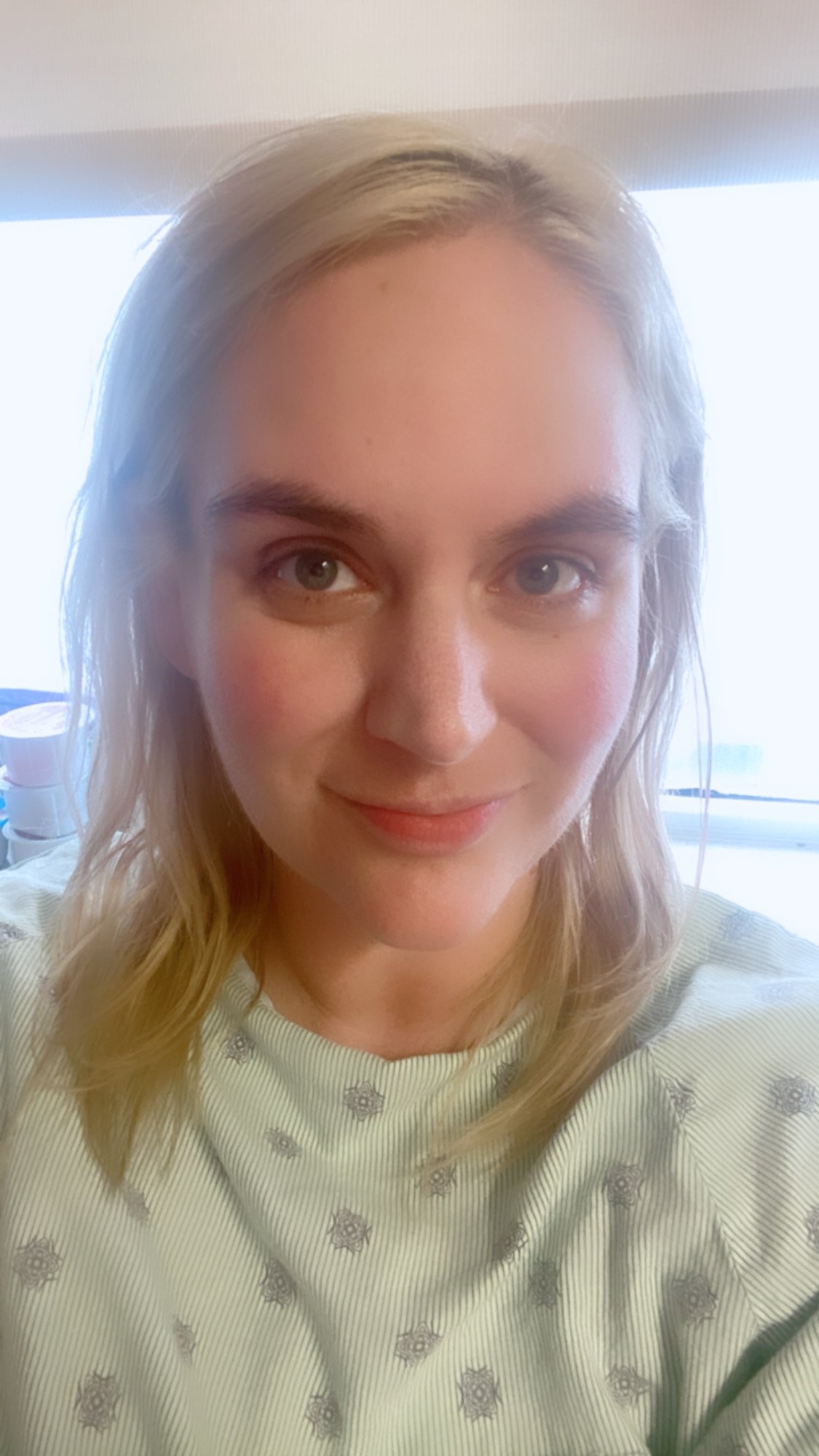
I packed my hospital bag as if trying to convince myself that none of this was really happening.
Makeup.
Room spray.
Hair products.
Bath supplies.
Matching pajamas.
Slippers.
Curling iron and straightener.
I kept telling myself it was merely a trip.
That part is painful to reflect on now, as it reveals the state of my mind at the time. I was clinging desperately to some version of myself, convinced I could make it through this unscathed. As if those small, manageable details—my hair, my clothes, how I presented myself—could somehow shield me from what was coming.
As if I could step into this experience… and emerge out the other side still myself.
I convinced myself I wouldn’t let this change me. But deep down, even in denial, I sensed the truth. I sensed that change was inevitable.
I just didn’t know how profound it would be.
The Drive Before the World Wakes Up
Whipple morning arrived at 4 a.m.—that eerily quiet hour when the world holds its breath, and you can hear the wind whispering through the trees.
We left our home at 2:45.
Everything felt wrong. Too still. Too empty. Too quiet. It was the calm before the storm.
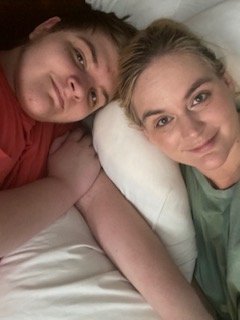
My kids wished for me to wake them before I left.
My son hadn’t slept a wink.
There’s something unbearable about witnessing fear in your children’s eyes when you’re the one meant to provide them with safety. It's heart-wrenching to know they’re watching you walk toward something terrifying, all the while trusting you to return.
In the dark, I held them tight.
Not the quick hugs. Not the routine embraces.
But the kind where you linger a moment too long, trying to imprint every detail in your memory.
The weight of their bodies.
The shape of their little shoulders.
The warmth of their skin.
The way they fit against me, like a piece of home.
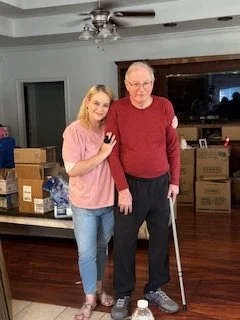
I hugged my dad tightly. We both cried, reassuring each other that everything would be okay.
But those promises lacked conviction.
They were desperate words—the kind people throw together to build a bridge of hope when there’s nothing solid beneath them.
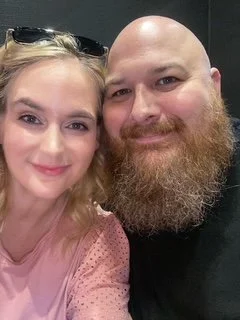
My husband bore the weight quietly; that’s just how he is. My brother tried to appear steady, but he’s wired like me—his nerves outpacing his calm exterior.
We were all just trying to hold it together before dawn broke.
And none of us were succeeding.
The Waiting Room That Knows Too Much
The hospital waiting room was harshly bright. Cold and too well-lit, overwhelming for the kind of fear it contained.
Too sterile for the reality it faced. Too many people surrounded us. Too many whispered prayers filled the air.
Too many families attempting normalcy while perched inches from disaster.
I tucked myself between my husband and my brother, seeking comfort in their presence. I clung to them, hoping that if I held on tight enough, I wouldn’t find myself drifting into a place from which I might never return.
We didn’t say much.
What was there to say?
How do you casually mention:
This surgery could last all day.
Complications are not uncommon.
The risk of mortality exists.
How do you sit there without letting that one question consume your thoughts?
What if I don’t wake up?
So we sat in that heavy silence.
Hands clasped together.
Palms sweaty.
My husband’s grip faltering, then tightening once more.
My brother pacing, shifting from sitting to standing, then pacing again.
In that silence, I realized two things:
I was loved.
And they knew I loved them.
That was all I had left.
That was my only anchor.
And when your entire life seems to be slipping away, love becomes the last thing you can truly hold onto.
Prep Room Panic
Then it was time. The prep room felt small, hectic, and the energy was frantic.
Clothes off.
Gown on.
A poke here. Another poke there.
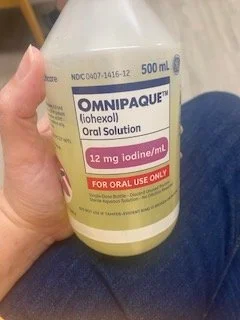
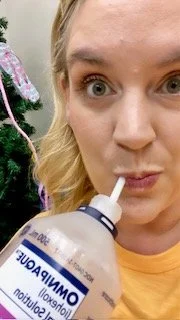
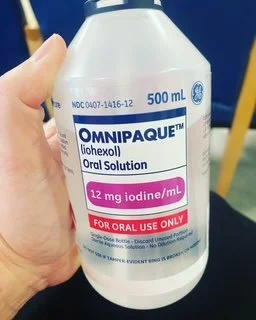
Swallow this.
Sign here.
Hold still.
People bustled around me as though my body were just another item on a to-do list.
Wires attached to my chest.
Questions flew at me.
Monitors beeped.
Consent forms needed my signature.
Everyone’s faces aimed for calm.
But I could see it in their eyes.
This was serious.
This was dangerous.
This was not just a routine procedure.
Then my doctor returned, trying to reassure me that he would help me relax.
And that was when it hit me.
Not as a thought.
But deep in my body.
They are really about to do this.
They’re about to cut me open.
Move things. Remove things. Rearrange things.
They’re about to change my body forever.
Suddenly, my breath caught in my throat.
What if I don’t wake up?
What if something goes wrong?
What if my husband has to leave without me?
What if my children had to grow up carrying this burden?
What if I survived… but I wasn’t really me anymore?
This wasn’t just nerves.
This was pure terror.
The kind that strips you down to your most vulnerable self.
And I broke.
Not quietly.
Not gracefully.
I cried uncontrollably.
I shook with fear.
I couldn’t stop.
Everything I had been holding together—every ounce of denial, every effort to remain composed, every attempt to act as if I could handle it—all crumbled in that room.
When my brother stepped in, I lost it all over again.
We didn’t exchange grand farewell speeches.
Just simple “I love yous.”
Again.
Again.
Again.
As if we were trying to leave little pieces of ourselves with one another, just in case that was all the time we had left.
And still, it didn’t feel like enough.
It never does when you’re uncertain if you’re seeing someone for the last time.
My husband pressed a kiss to my forehead.
My brother gripped my hand tightly.
And I wept, as if some part of me already understood… the woman being wheeled down that hallway would not return the same.
Then the lights faded away.
No brave final thoughts.
No moment of tranquility.
Just fear—
and then, nothing.
Waking Up Without Pieces
I woke up eleven—maybe twelve—hours later.
And there’s no gentle way to say this:
It was the worst pain I have ever experienced in my life.
Not just bad pain.
Not merely difficult pain. Not the kind of pain that accompanies recovery.
This was body-altering, soul-shattering pain. Pain so overwhelming it wiped everything else from my mind.
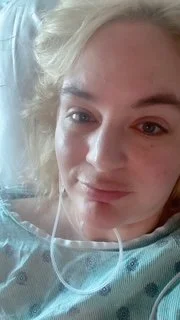
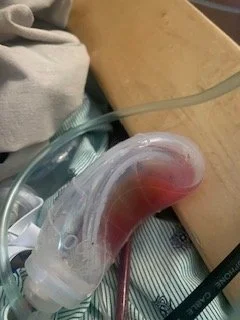
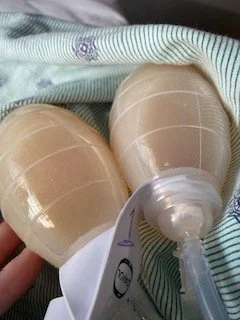
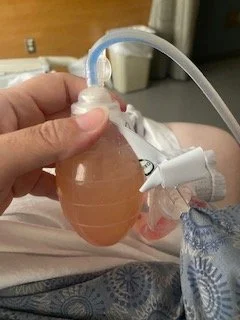
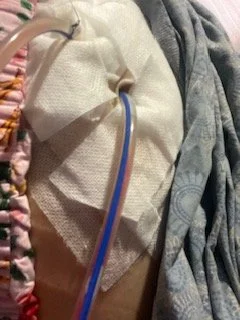
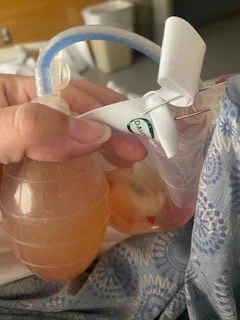
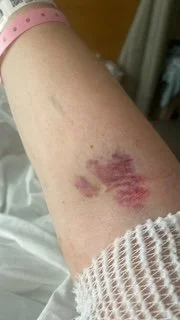
I found myself in the ICU, surrounded by machines, tubes everywhere, drains protruding from my body, my throat raw, and my abdomen feeling like a part of someone else.
My body felt ravaged.
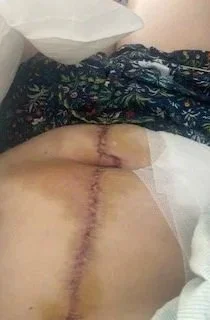
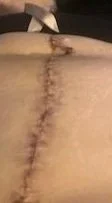
Cut from my sternum to right above my lady parts.
My insides felt alien.
My skin seemed barely able to hold in the consequences of what had happened beneath it. And what struck me almost as profoundly as the pain was the recognition of what was missing.
That may sound unbelievable.
But I could feel it.
I could sense the absence. A hollow emptiness. A deep, unsettling wrongness.
As if I had been taken apart and reassembled, with no one preparing me for the haunting feeling of waking up in a body that used to belong to me.
I cried.
Which only intensified everything.
Each sob tugged at the muscles that had just been torn open. Amidst that pain, something darker began to emerge.
I remember feeling utterly shattered, overwhelmed, and trapped within that body—
so much so that death no longer seemed the most frightening thing in the room.
No one dares to voice this.
Sometimes, surviving something like this doesn’t feel like a blessing. At times, it feels like being forced to endure something that makes you question your own strength to survive it.
My first thought was not, “Thank God I’m alive.”
It was—
I don’t know if I can do this.
And beneath that… a quieter, uglier truth that was harder to confront—
Was this better?
That thought still shatters my heart.
Because I had children.
A husband.
A family who loved me.
Yet, I hurt so profoundly that my thoughts took me there.
Not because I wished to leave them— but because I couldn’t fathom how anyone could endure such pain and still find a reason to hope.
That’s how deeply broken I felt.
Not just physically. But emotionally. Mentally. Spiritually.
I had entered that surgery already carrying an overwhelming burden.
And when I woke up— everything was still there.
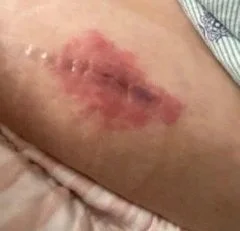
Only now, it bore a fresh 13” incision down the middle of my abdomen.
Barbie & Survival Mode
When I was finally alert enough, my husband stopped by, if only briefly.
Just long enough to share a quiet goodnight before the nurses returned.
Move this.
Sit up.
Shift.
Stand… STAND!
With drains, lines, a catheter, a central line, and pain radiating through my entire being—they wanted me to stand.
The first time I tried to get up, I genuinely thought I might collapse right there on the floor.
But they insisted. Because movement is vital to survive.
And that’s when I met Barbie.
My ICU nurse.
My ray of sunshine helping me navigate through the darkest moments. She held me gently, treating me as if I were fragile, not a burden. She allowed me to cry into her shoulder without attempting to "fix" anything.
Because there wasn’t anything to fix.
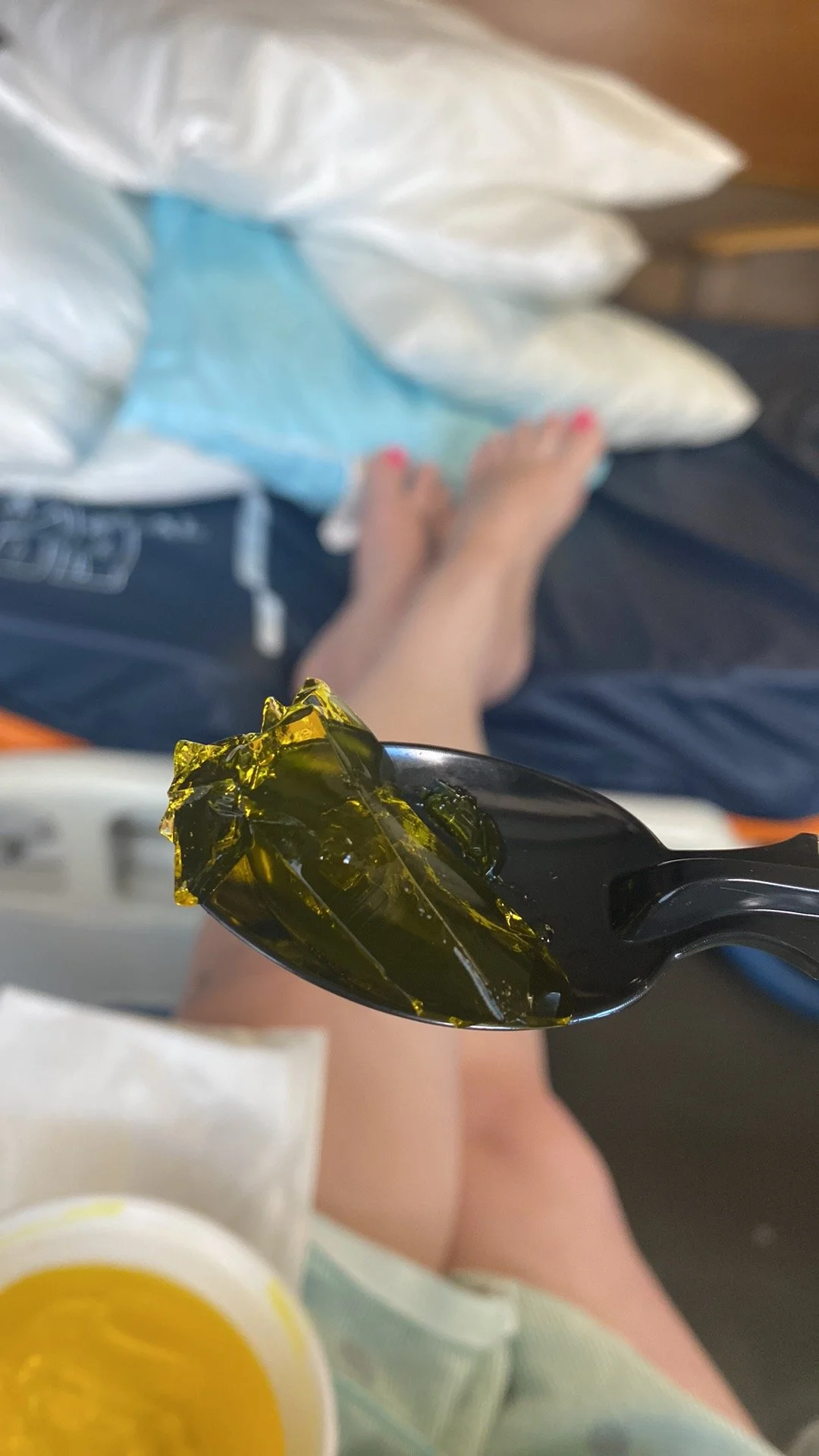
She secretly brought me ice chips when I wasn't permitted anything else. Those small pieces felt like a touch of mercy and all I would be able to have by mouth for 3 days.
She guided me as I walked.
Spoke to me softly. Talked about girly things and our daughters. Let me express my fear without judging my strength.
In those initial days, when everything inside me felt utterly destroyed, she was one of the few sources of comfort.
I will never forget her.
Two Weeks in a Different World
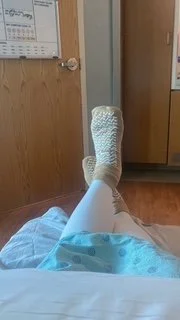
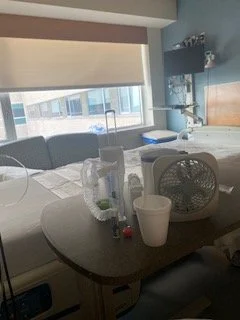
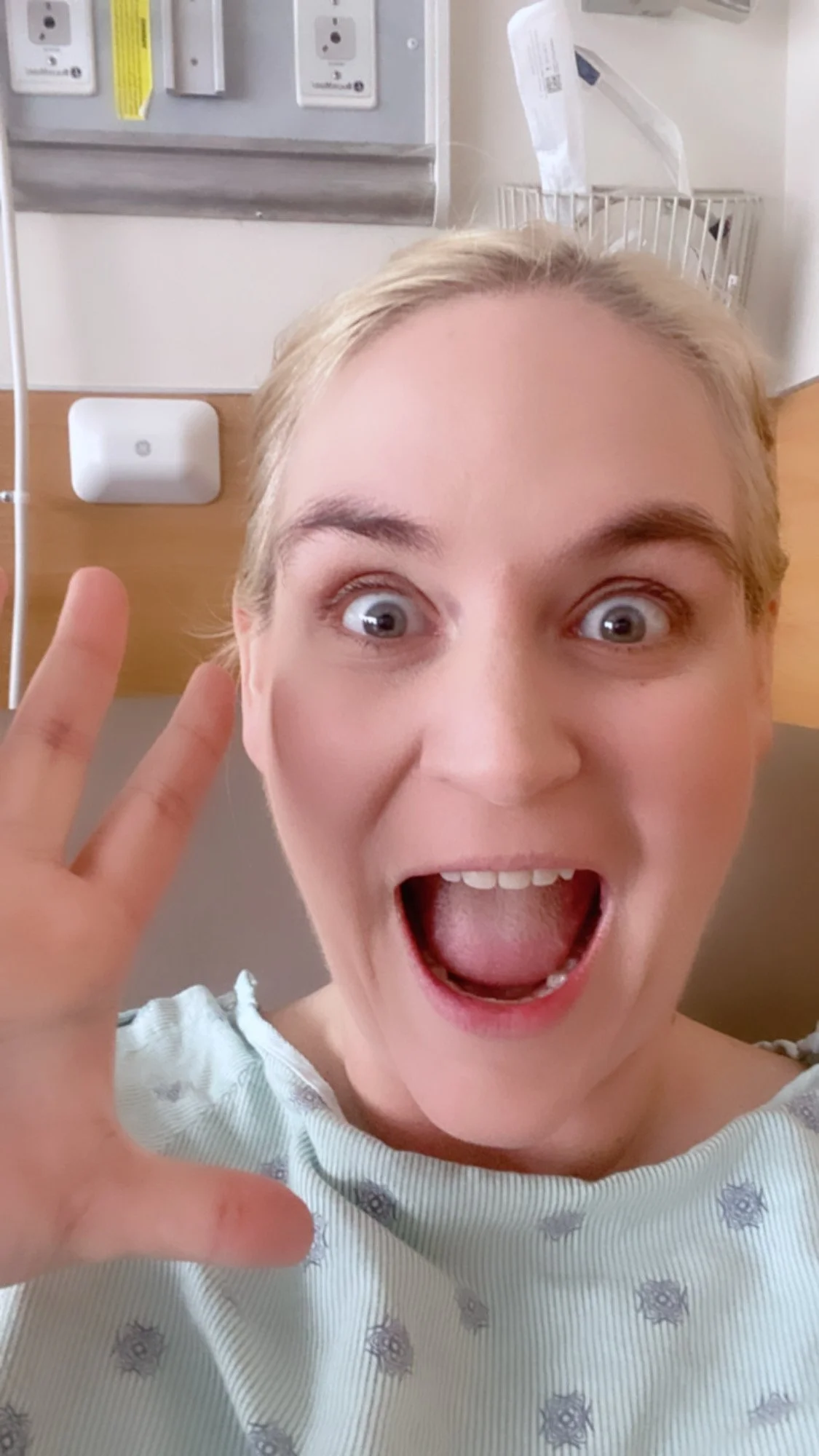
I spent two weeks in that hospital.
By the end, I could manage to walk the hallway a few times each day. Not far—just to the end and back—with the IV pole beside me and drains secured to my legs. My husband by my side, holding me up and letting me rest while learning to catch my breath again.
That hallway became my entire world.
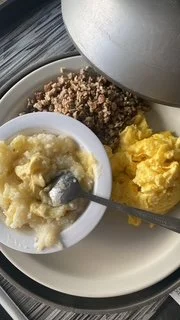
They attempted to introduce food.
But my body refused it. Everything hurt. Everything felt off.
Then the fear crept back in—quiet this time.
Something might be wrong.
I could be headed back for surgery.
Eventually, they identified the issue.
A chyle leak.
Still serious. Still one more complication. But thankfully, not another surgery.
By day thirteen, I felt strong enough to yearn for freedom.
I sat there, waiting, willing myself to go home. But even that came with conditions.
One more day.
One more pause before the next chapter began.
Liquid Survival
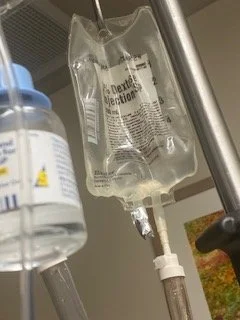
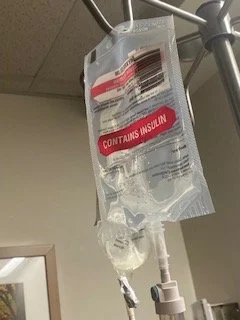
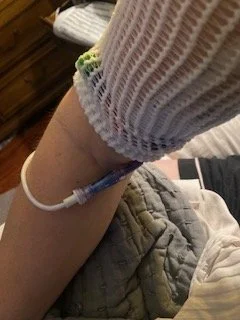
They sent me home on TPN for thirty days.
Nutrition delivered through a PICC line.
Food bypassing my digestive system, going straight into my bloodstream.
My body, now strange and untrustworthy, struggled to cooperate. Yet, I was still expected to attempt eating.
Even when it hurt. Even when it made me feel ill.
That’s where the real battle commenced.
Because survival isn’t a finish line.
Sometimes, it marks the start of a different kind of loss.
The Part No One Warns You About
The surgery was over.
The tumor was out.
Everyone around me hoped that meant the worst was behind us. But lying there in my broken body, I understood differently.
Survival wasn’t relief.
It wasn’t peace.
It wasn’t a neatly wrapped gift.
It was pain.
It was grief.
It was the harsh realization that while they had saved my life— the life I returned to no longer felt like my own.
They had removed the tumor. But they didn’t put me back together.
They remapped my body— cutting straight through the core of who I used to be and leaving me to navigate how to live beyond that.
That was the part no one prepared me for.
Surviving cancer is one thing.
Living afterward— within the ruins of your former self—is entirely different.
They told me I had made it through the Whipple.
But the truth was…
the version of me that entered that hospital didn’t come out.