Chapter Two — When the Women Leave the Room
By then, stress had already settled into my bones.
Not the flashy kind. Not the kind that announces itself and storms out when it’s done.
This was the quiet Southern kind of stress—the kind that moves in slowly, kicks its shoes off by the door, fixes itself a plate, and never bothers to ask how long it can stay.
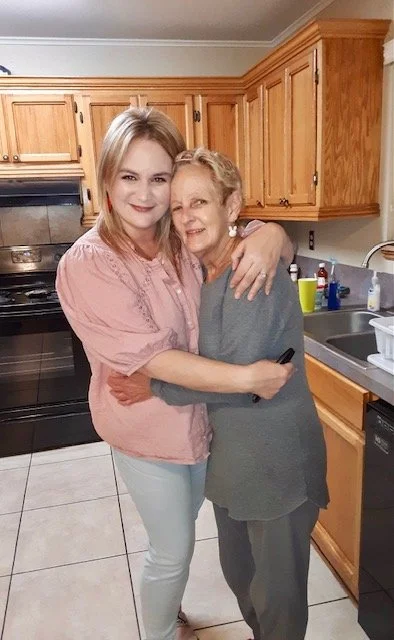
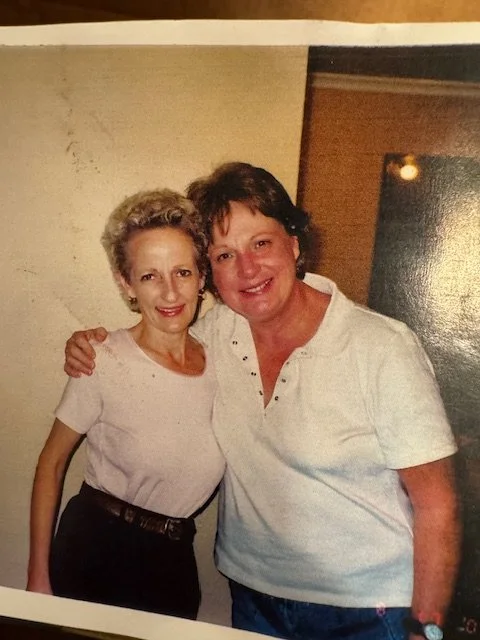
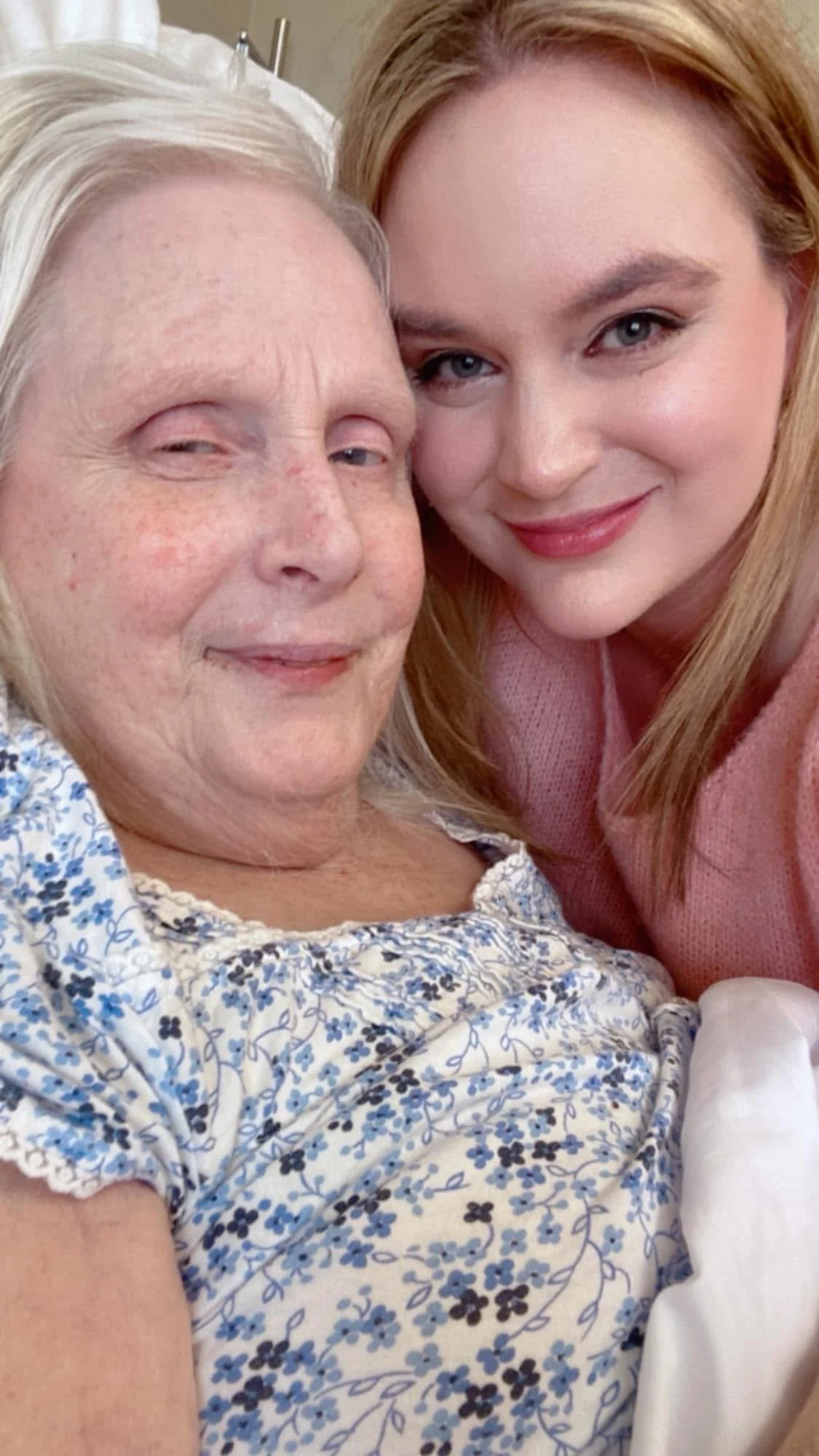
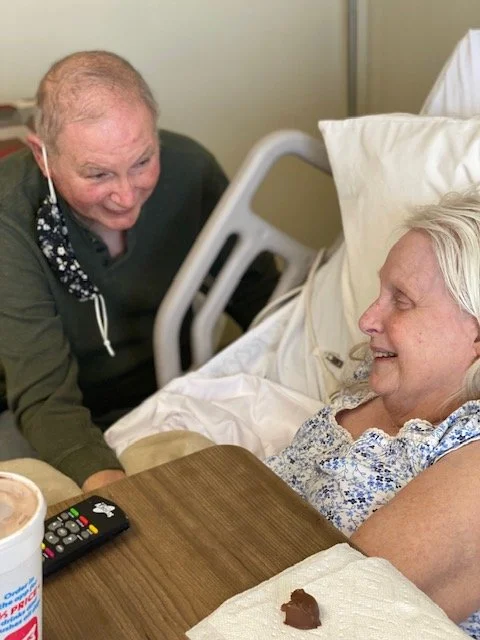
My aunt—my second mother, my other heartbeat, the woman who helped raise me without ever asking for credit—was losing her fight with breast cancer. We got sick around the same time, like the universe paired us up for some kind of cruel group project nobody volunteered for. No fairness check. No warning label. Just here you go, figure it out.
Even as her body failed her, she still called me five or six times a day.
Not to talk about herself.
To check on me.
She mothered me through the phone when she could barely hold herself upright. That was her gift. If she couldn’t fix it, she’d sit with you in it. No platitudes. No fake cheer. Just presence. And God, she was good at that.
Then she went into the hospital, and the language changed.
Radiation got heavier.
Chemo got meaner.
Hope got quieter.
Eventually, they sent her home on hospice—the medical system’s polite way of saying, “We’re done trying, and now we’re just waiting.”
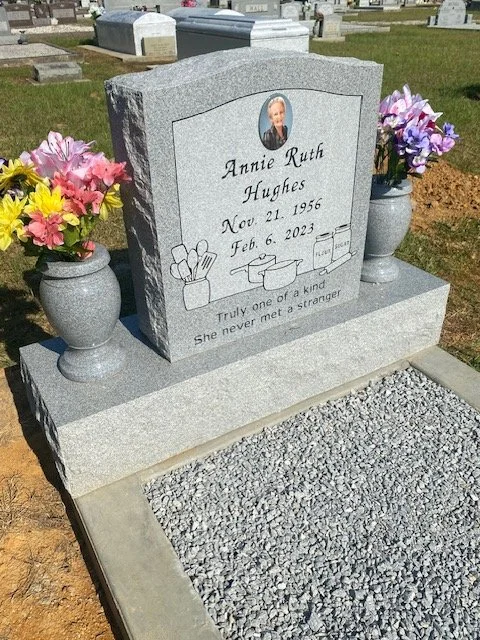
I lost her in February.
Two months before my ERCP.
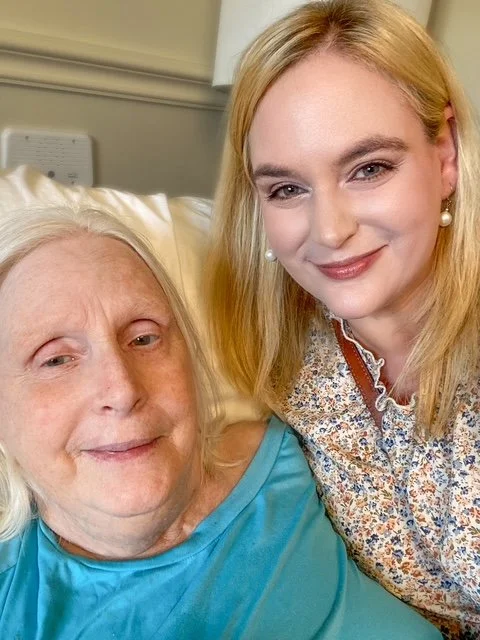
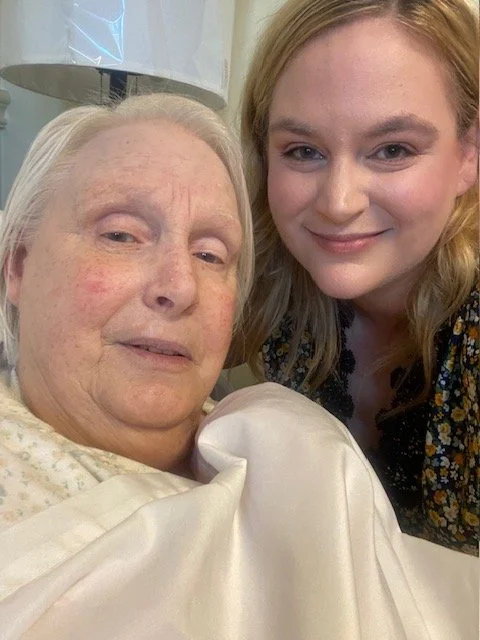
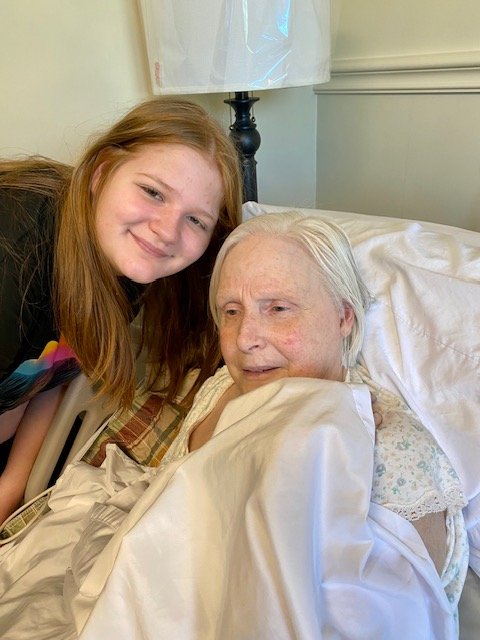
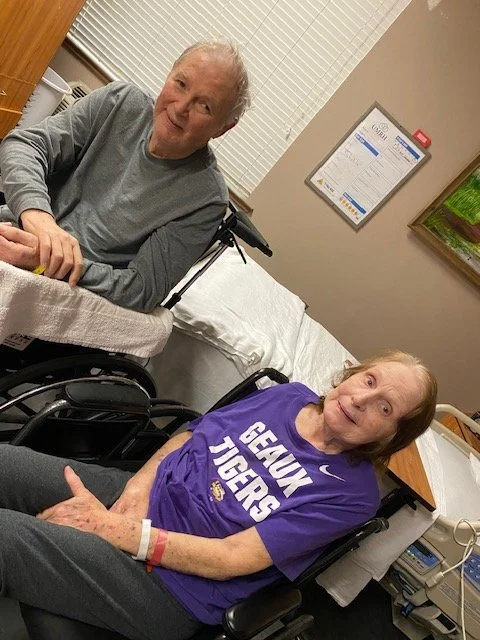
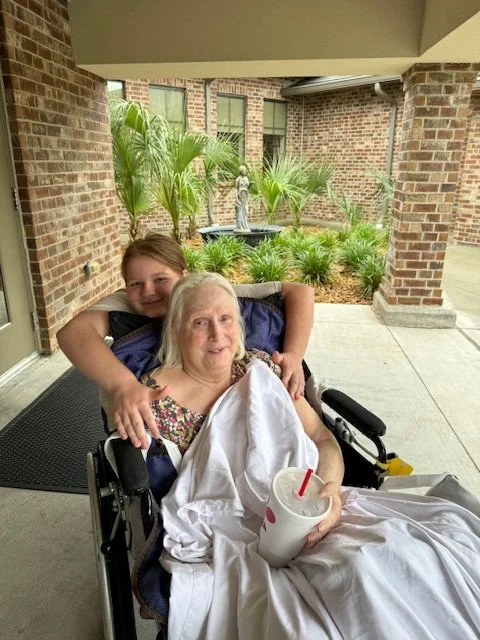
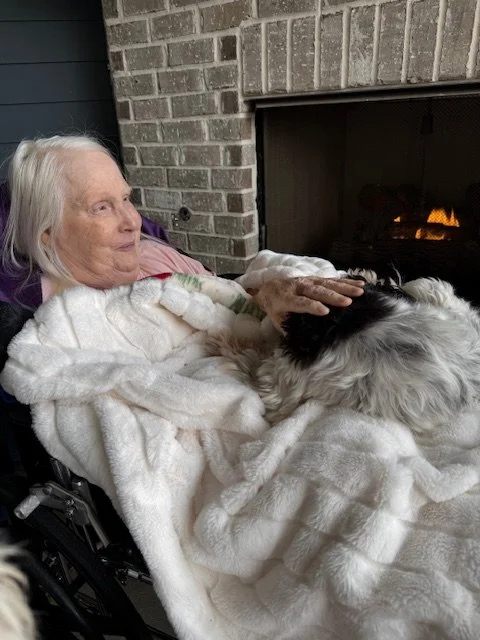
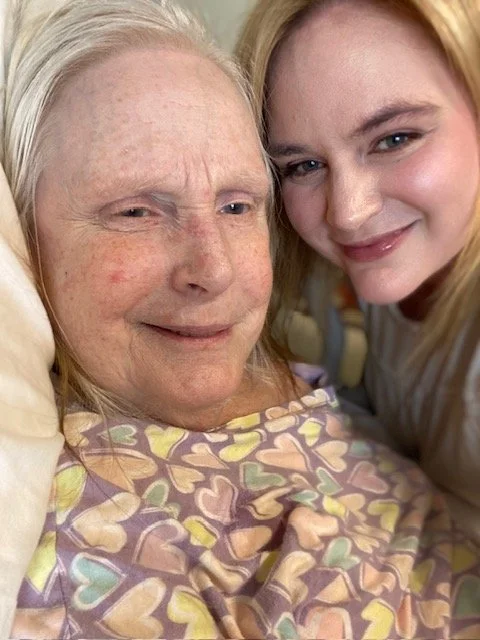
By then, my mom had already been in a nursing home for years—partially paralyzed, unable to speak, no longer the woman who raised me. The woman who used to fix everything with a look and a pot of something simmering on the stove.
Just like that, the leading ladies of my life exited stage left.
No encore.
No warning.
No time to brace myself.
It felt like someone cleared the room right when things were about to get real ugly.
I couldn’t do it all. I tried. Lord knows I tried.
I couldn’t take care of my mom, my dad, my children, my husband, my home, and a body that was starting to feel… off. Plenty of people blessed my heart along the way, but even Southern women have limits—no matter how much we were raised to pretend we don’t.
These women—my aunt, my mother—they were Southern to their core. Strong as cast iron. Funny as hell. Just dirty enough to keep you laughing through the worst days. They loved loud, showed up harder, and knew how to hold you together when life cracked you clean down the middle.
I wanted nothing more than to crawl into their arms.
To sob until my chest split open.
To scream about how unfair this all was.
And then—because that’s how we were—to laugh five minutes later like fools over something ridiculous.
But grief doesn’t wait its turn.
And life sure as hell doesn’t pause just because you’re breaking.
As if all that wasn’t enough, Hurricane Ida kept reaching into our lives long after the wind and rain packed up and left. Repairs dragged on at turtle speed, slowed by a market crash that hit at exactly the wrong damn time. Everyone in Louisiana needed materials, and supplies came in like they were being delivered by good intentions and a prayer.
Our home build stalled completely. The state prioritized repairs over new construction—which made sense for survival, but not for dreams. By the time we could build again, the good prices were gone, and the future felt like it had taken a few steps back just to be rude.
So we chose survival.
We fixed the house we were living in.
We repaired my parents’ home.
And then we said goodbye to it.
The childhood home. Their home. The place where so much of my life lived. Watching it leave felt like watching my past get boxed up and hauled off—one memory at a time.
Everything familiar was slipping away.
The women were gone.
The ground was shifting.
And somewhere in the middle of all of it, my body started quietly waving red flags I didn’t yet have the strength—or the space—to read.
By then, grief had taken up permanent residence in my chest.
It slept beside me.
It followed me into the kitchen.
It sat quietly while I pretended to be fine for everyone else.
Meanwhile, my body was doing things I didn’t have language for yet.
The itching was relentless, especially at night. The fatigue felt unnatural—bone-deep, immune to rest. Food stopped feeling like comfort and started feeling like work. Even my reflection looked wrong somehow, like I was watching myself fade just enough to notice.
I blamed stress.
I blamed loss.
I blamed myself.
That’s what women do.
We explain ourselves away.
But there comes a point when your body stops whispering and starts insisting.
I didn’t go to the doctor because I was brave or proactive or particularly responsible. I went because something in me finally cracked—not emotionally, but physically. Because no amount of strength, grit, or Southern stoicism could carry me through whatever this was.
So I agreed to the test.
The ERCP.
Just another procedure, they said.
Just to rule things out.
I didn’t understand it yet—not fully—but I knew enough to be scared. Procedures have a way of stripping you bare. Of reminding you that your body is no longer something you command—it’s something you negotiate with.
I was scared.
Quietly.
Constantly.
And I didn’t have my women in the room anymore.
So I stepped up.
Not gracefully.
Not confidently.
Just… forward.
Because whether I liked it or not, I was now the leading lady for my own family. And while I carried that role, I wasn’t doing it alone. People stepped in—real people, good people—who took pieces of the weight when my hands were shaking. They cooked. They ran errands. They sat with me without asking me to be okay.
I am still standing because of the ones who showed up without needing credit. That kind of love will change you forever.
What I didn’t know then—what I couldn’t possibly know—was that this small, clinical step was about to split my life cleanly into before and after.
And I was already so damn tired.